The fitting room your online store is missing.
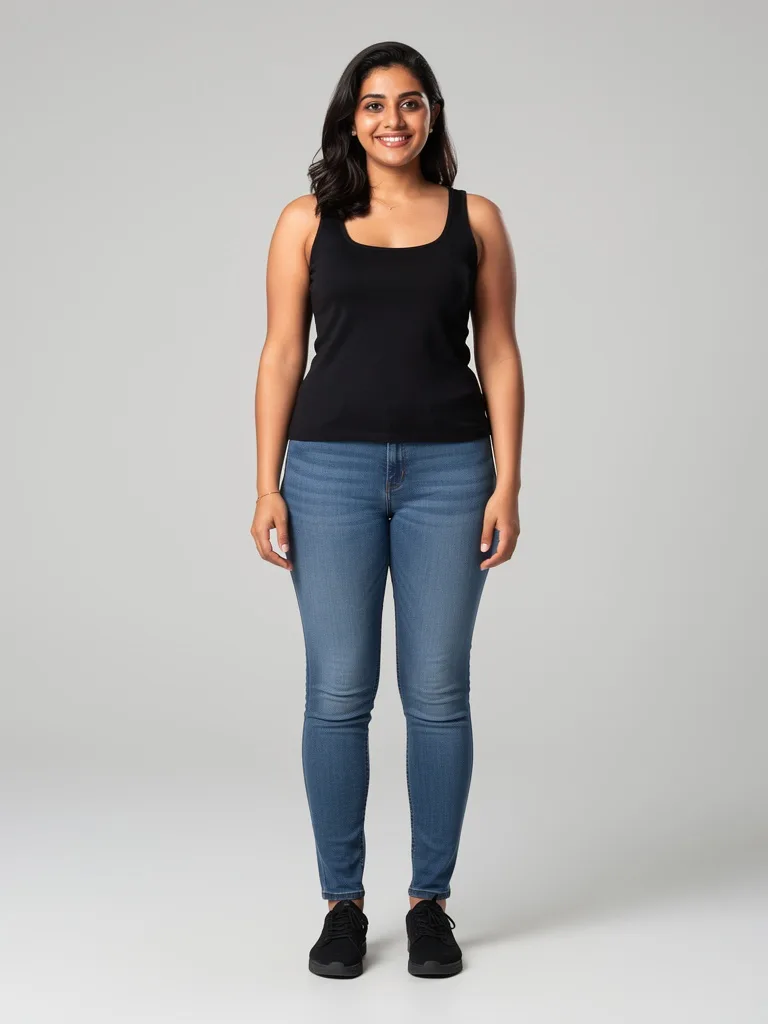
Your shopper uploads one photo and types in their height and weight. They see your garment on their own body, and they get a size from your chart for that product.
How it works.
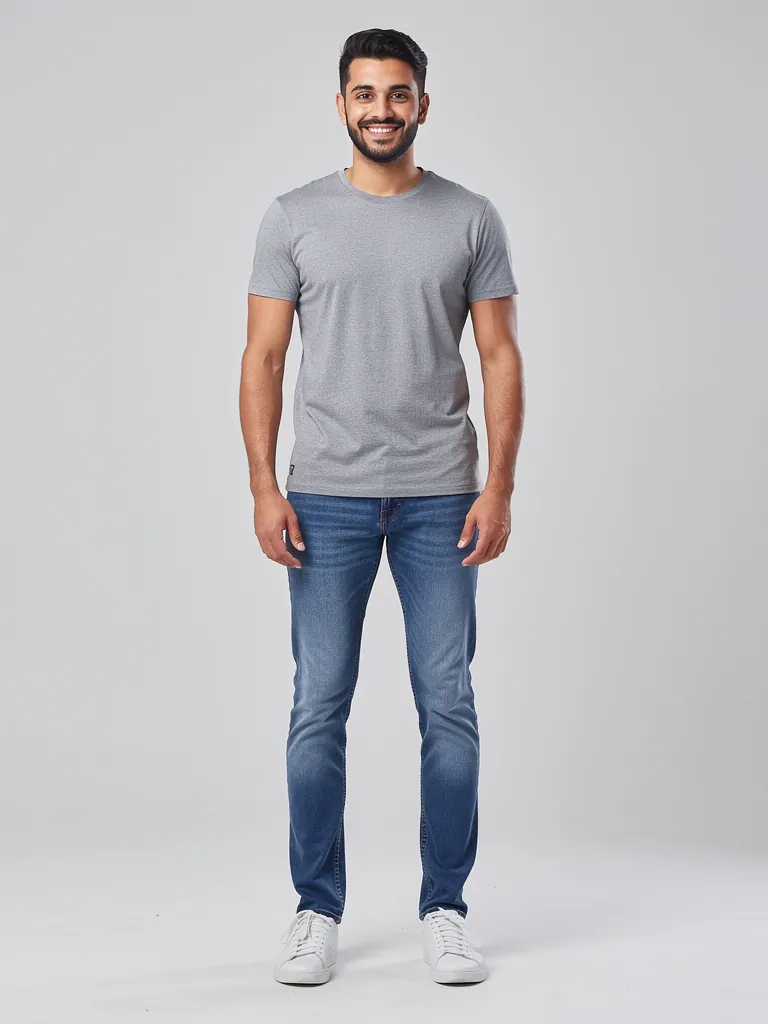
- 01One photo.He uploads one full-body photo and types in his height and weight. Our sizing engine reads his measurements from them.
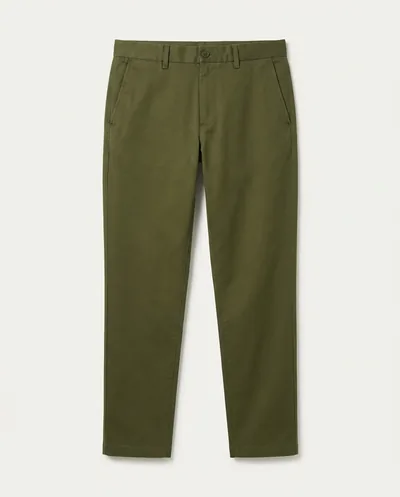
- 02Your garment.Your product photo is what we render onto him. Your size chart for this garment is what we size him against.
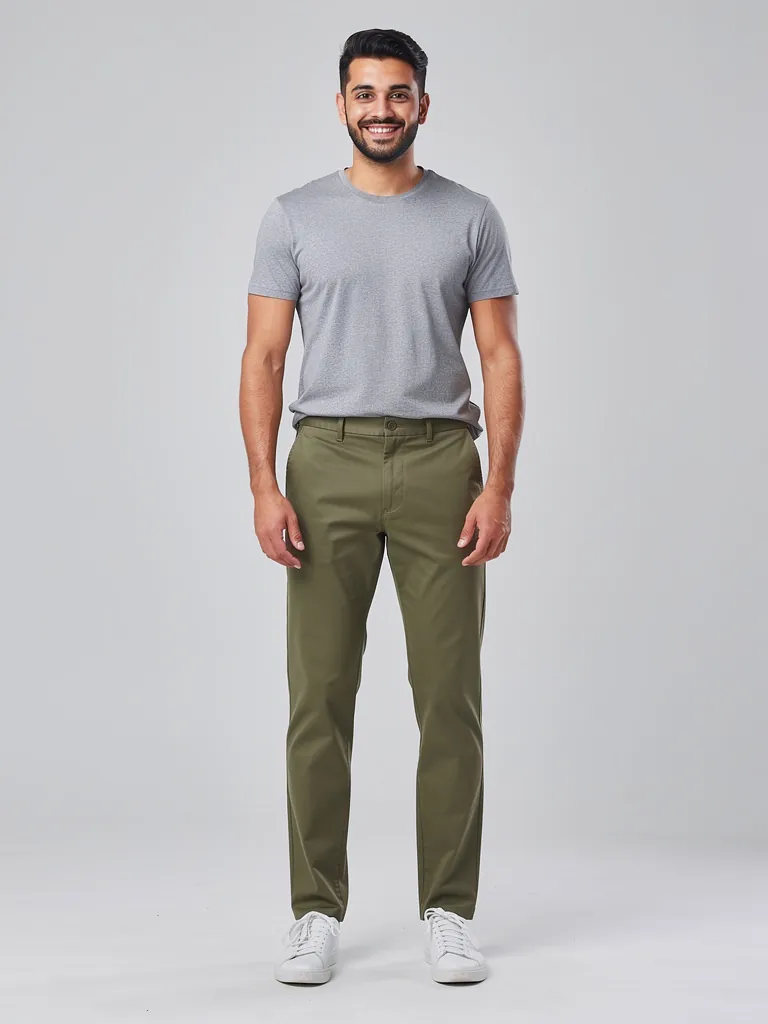
- 03A preview.Our virtual try-on shows him in your garment, made from his own photo, so he can see how it looks before he buys.
- 04A size for this item.Our sizing engine compares his measurements with your chart and recommends the size with the best overall fit: M.
Recommended sizeSize M
See how it looks on a demo shopper, and the size they get for this item.
Top
Everyday Crew Tee
$42
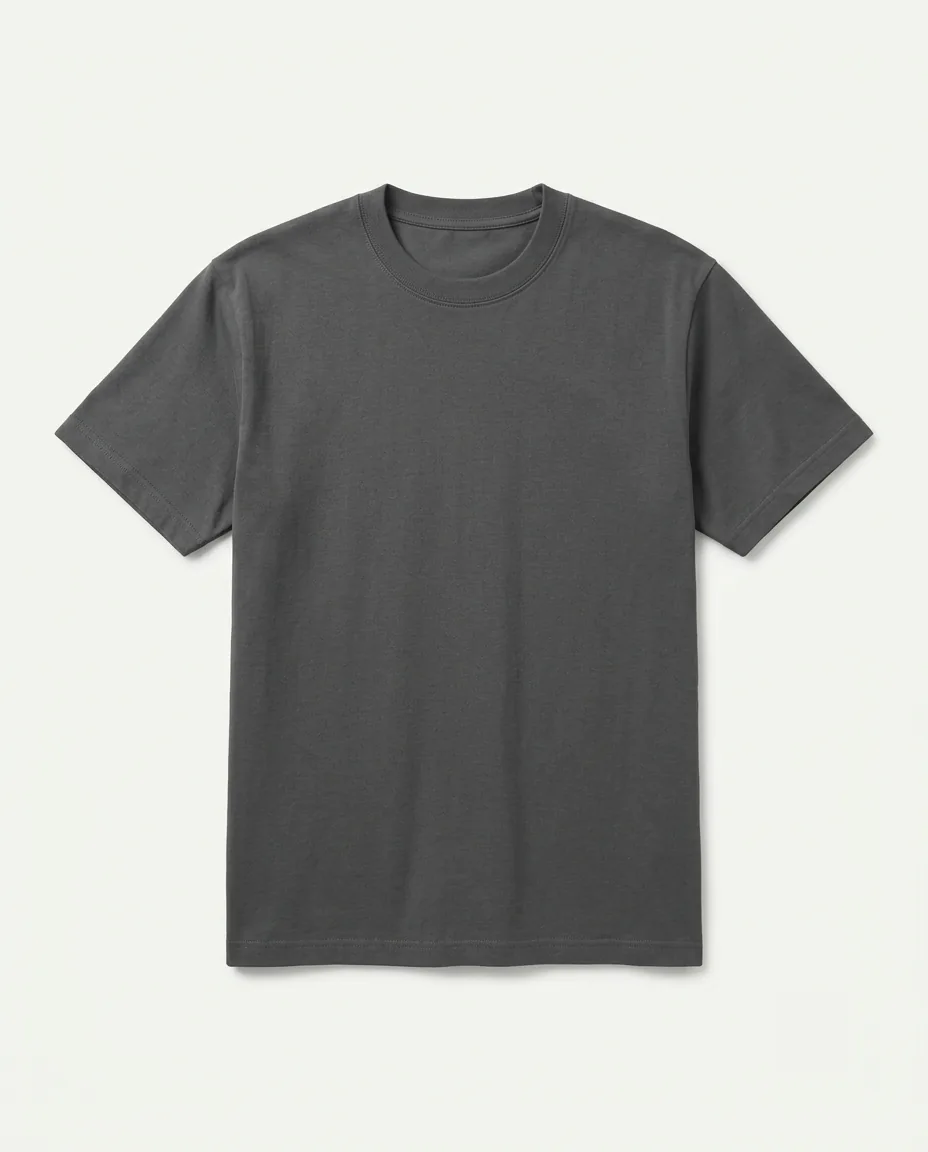
Charcoal grey heavyweight cotton crew-neck short-sleeve t-shirt with a straight regular fit.
A recorded run of the real widget, on a mock of a product page.
What changes for your store.
A shopper who knows their size has less reason to order two to be safe. Your dashboard shows which sizes shoppers were recommended and, on Shopify, which returns were about size.
Example dashboard · illustrative data
- S18%
- M41%
- L29%
- XL12%
- Everyday Crew Tee212
- Tapered Chino148
- Waffle Henley96
A big market, held back by sizing.
of US online apparel and footwear sales in 2025.
Coresight Research × Alvanon, 2026
of those sales come back, an estimated 23.4% in 2025.
Coresight Research × Alvanon, 2026
of menswear returns are too small or too big, at one UK retailer, 2018–19.
Marriott et al., University of Liverpool, 2025
Clothing is returned more often than any other category bought online. The habit behind it is bracketing: shoppers order several sizes and send most of them back, because they can't tell which one will fit.
What happens to the photo.
Never stored on our servers
The photo is sent to be measured, held only for as long as that takes, and deleted the moment it is done. A copy stays on the shopper's own device for 24 hours, with the try-on previews made from it, so they don't re-upload for every item, and one tap clears it.
No account, no name, no email
A shopper is an anonymous per-browser id. What we keep is measurements and sizing events.
Every preview says it is AI-generated
The label is part of the image, not the page around it, so it stays on the picture wherever a shopper sends it.
The full detail is in our privacy notice and terms.
See it on your own catalog before you commit to anything.
On Shopify, you install Mirraya from a link and add it as a block in your theme. On any other platform, it's one script tag. How you go live